How to Increase Productivity at an Industrial Site
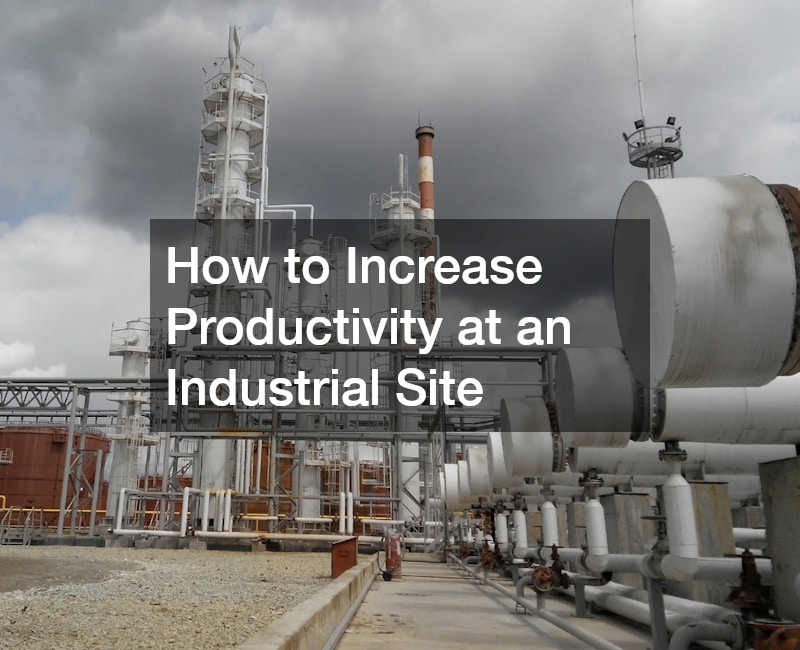
Industrial facilities face continuous pressure to achieve higher throughput, minimize costly downtime, and maintain strict quality standards while ensuring absolute worker safety. Operating an industrial facility requires orchestrating complex workflows, maintaining massive machinery networks, and managing large workforces across diverse operational divisions. When bottlenecks develop, the resulting delays cascade throughout the entire supply chain, reducing profit margins and damaging customer relationships. Increasing operational output without ballooning overhead demands a systematic approach that evaluates every layer of production, from raw material handling to facility maintenance and financial planning.
Achieving sustainable productivity gains requires facility leaders to look beyond simple operational speed and focus on overall systemic performance. Modern industrial management combines technological innovation, process optimization, workflow design, and strategic asset utilization to unlock hidden capacity within existing assets. By analyzing existing operational patterns, removing procedural friction, and upgrading foundational infrastructure, industrial operations can achieve remarkable gains in output, reliability, and safety. This comprehensive operational guide outlines actionable strategies to maximize site efficiency, optimize material management, reduce operational delays, and capitalize on strategic resources across every operational department.
Optimizing Material Handling and Logistics
Implementing Automated Storage and Retrieval Solutions
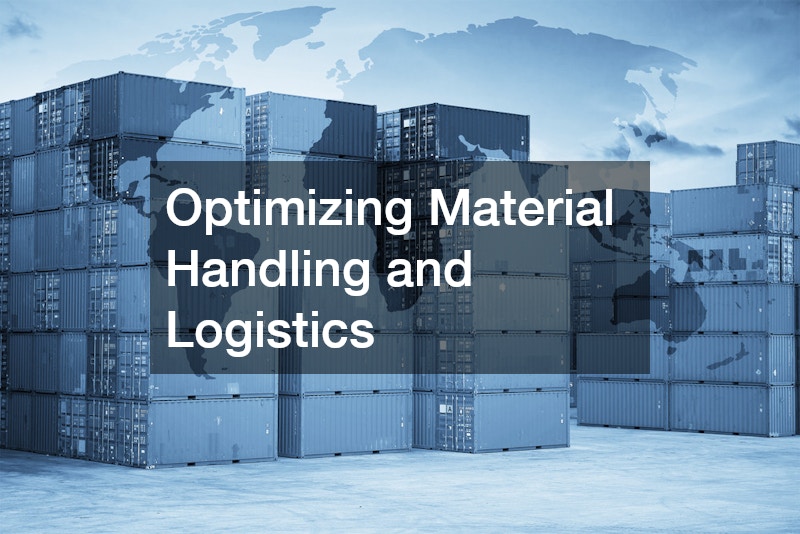
Internal logistics within an industrial plant frequently represent one of the largest unexamined sources of lost time. Materials that are incorrectly positioned, difficult to locate, or delayed during transit create idle time for technicians and expensive production equipment. Transitioning from legacy manual storage to automated storage and retrieval systems transforms warehouse management into a precise, high-speed operation that operates seamlessly across all operational hours.
-
High-density vertical lift modules reduce footprint requirements while improving inventory retrieval speeds by enabling precise, automated item selection for floor technicians.
-
Radio-frequency identification systems automatically track raw materials and finished components as they move across different facility zones without requiring manual barcode scanning.
-
Automated guided vehicles transport heavy subassemblies between production bays without interrupting dedicated manual labor teams or creating congestion in narrow access corridors.
-
Warehouse management software prioritizes component dispatching based on real-time production schedules to prevent material shortages and eliminate unnecessary waiting periods.
Streamlining Heavy Lifting Operations
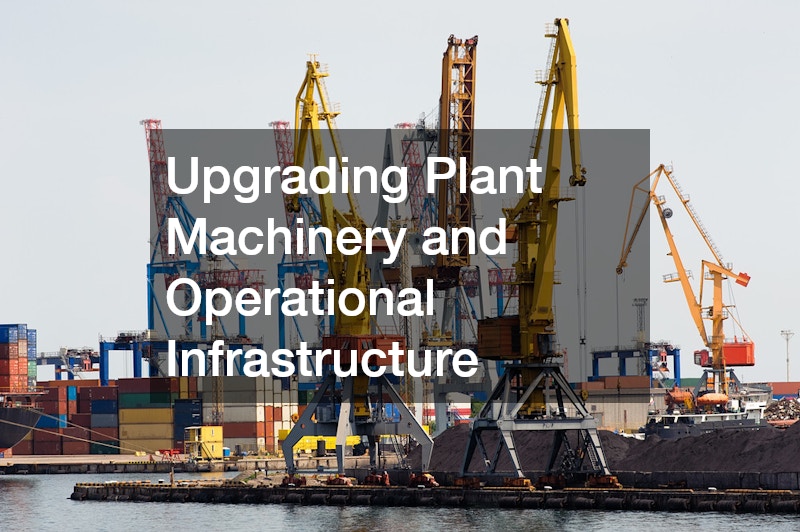
Moving massive machinery components, raw structural elements, and finished industrial products around a facility demands specialized equipment and skilled riggers. Improperly planned lifts create severe safety hazards and stall adjacent assembly lines for hours. Integrating professional crane services into scheduled maintenance and heavy assembly projects ensures that critical lifts occur smoothly, safely, and within strict time frames.
Establishing dedicated lifting zones and pre-planning complex rigging maneuvers prevents congestion in high-traffic work bays and reduces equipment idle time. When specialized overhead machinery is inspected regularly and operated by certified professionals, facilities eliminate unexpected equipment failures that would otherwise halt production schedules. Additionally, auditing daily load limits prevents unnecessary wear on overhead bridge systems, ensuring long-term operational consistency across all production shifts and maximizing capital asset life.
Enhancing Waste Management and Material Recovery
Production waste is not merely an environmental consideration; it is a direct indicator of material inefficiency and poor workflow management. Scrapped metal, redundant wiring, and process byproducts consume valuable storage space and create unnecessary safety hazards on the shop floor. Efficient facilities establish systematic scrap sorting systems that convert waste streams into immediate revenue streams while maintaining pristine workspace organization.
Facilities that utilize high volumes of electrical wiring, motor windings, and conductive plumbing elements benefit immensely from partnering with specialized industrial copper recycling providers. Scrap material is collected in standardized bins directly at the source, preventing cross-contamination and keeping work aisles clear of clutter. By establishing automated scrap retrieval pathways, plants reduce manual handling requirements for maintenance crews, reclaim floor space for core manufacturing processes, and monetize valuable material remnants that would otherwise accumulate as waste.
Outsource Heavy Transport to Logistics Specialists
Moving large-scale components, heavy machinery, and bulk raw materials into and out of an industrial site requires robust transport solutions. Staging delays at loading docks create bottlenecks that ripple throughout the manufacturing pipeline and disrupt outbound delivery commitments. Securing reliable hauling services ensures that heavy shipments arrive precisely when required and that outbound products leave the site without lingering in temporary storage zones.
-
Third-party transport partners provide specialized flatbeds, heavy-haul trailers, and permits necessary for oversized industrial loads moving between facilities.
-
Synchronizing carrier departure times with daily production milestones eliminates warehouse congestion and reduces costly demurrage fees for waiting trailers.
-
Dedicated yard management systems coordinate vehicle queuing, ensuring that loading docks operate at maximum throughput throughout operational peaks.
-
Standardized loading protocols prevent product damage during transit while accelerating dock turnover times across every active shift.
Upgrading Plant Machinery and Operational Infrastructure
Modernizing Pneumatic Systems for Maximum Efficiency
Industrial facilities rely heavily on pneumatic power to drive tools, actuate valves, operate robotic arms, and control process machinery across manufacturing bays. However, air distribution networks are often plagued by undetected leaks, pressure drops, and moisture contamination, leading to significant energy loss and equipment degradation. Maintaining an optimized compressed air delivery system ensures consistent tool performance and prevents unexpected line shutdowns during peak production runs.
Conducting regular ultrasonic leak audits allows maintenance teams to identify and repair hidden pressure drops without interrupting active operations or slowing plant output. Installing modern variable-speed drive air systems dynamically adjusts air generation to match real-time site demand, reducing electrical consumption during lower-capacity operational windows. Furthermore, integrating multi-stage air drying and filtration units prevents moisture accumulation in pneumatic lines, extending the operational lifespan of sensitive automated tooling and control valves across the facility.
Establishing Rigorous Preventive Maintenance Schedules
Unplanned machine downtime is the single greatest threat to industrial productivity. Waiting for a critical piece of machinery to fail before performing maintenance leads to cascading schedule delays, emergency repair costs, and potential safety risks for floor operators. Implementing a comprehensive preventive and predictive maintenance program ensures maximum machine availability and consistent product output.
-
Vibration analysis monitors bearing wear and shaft misalignment in rotating machinery prior to catastrophic failure, allowing repairs during planned downtime.
-
Thermal imaging surveys detect electrical hot spots, failing circuit breakers, and insulation breakdown before major outages interrupt factory operations.
-
Oil sampling and spectrographic analysis measure fluid contamination levels to optimize lubrication replacement cycles and protect high-value gearing.
-
Computerized maintenance management software automatically generates work orders and tracks spare parts inventory to eliminate maintenance delays and inventory stockouts.
Customizing Fabrication Work to Reduce Downtime
Standard off-the-shelf structural components and replacement machine parts often require manual modification to fit specific plant layouts, leading to extended installation delays and elevated operational friction. Partnering with a dedicated metal fabrication shop allows facilities to procure custom-built machine guards, heavy-duty brackets, structural supports, and specialized tooling designed precisely for their operational environment.
When plant modifications or expansions require heavy-duty frames, overhead gantries, or reinforced platforms, working with experts in structural steel fabrication ensures that built structures comply with all engineering standards while fitting seamlessly into the existing footprint. Custom-fabricated steel assemblies reduce on-site alignment time, minimize welding rework during installation, and provide the high load-bearing capacity necessary to support high-throughput industrial machinery over extended operational periods.
Refining Surface Finishing and Coating Processes
Surface Preparation Methods for Component Longevity
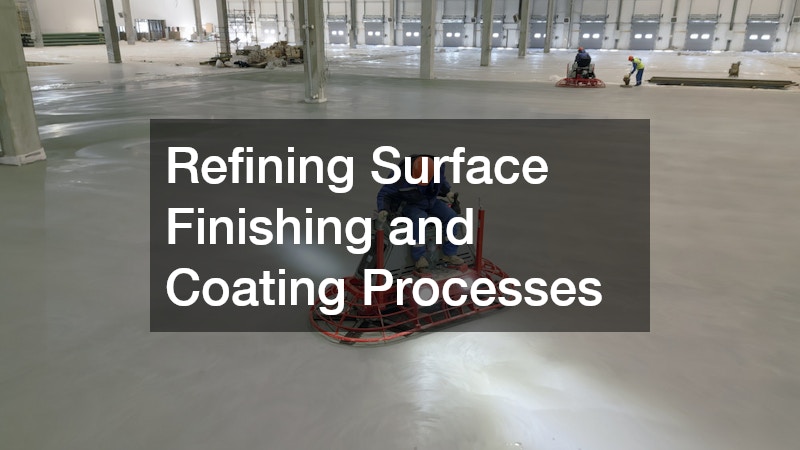
Surface finishing is a critical phase in industrial manufacturing, protecting products from corrosion, wear, and environmental exposure over long lifespans. However, improper surface preparation leads to premature coating failure, expensive rework, and client rejections that erode overall plant profitability. Utilizing professional sandblasting services prepares metal surfaces to exact anchor profiles, removing mill scale, rust, and contaminants before protective layers are applied.
Standardizing surface pre-treatment protocols ensures consistent mechanical adhesion for all downstream coating applications across different production batches. Automated abrasive blasting enclosures handle high volumes of structural components efficiently while capturing and recycling blasting media to lower consumable costs. Proper surface profile control eliminates manual grinding steps, ensuring that parts transition rapidly from primary shaping to final protective finishing without operational delays.
Implementing Durable Coating Solutions
Applying high-performance protective layers is essential for equipment longevity and product durability, particularly for items exposed to harsh chemical environments or extreme weather conditions. Transitioning from traditional liquid paint methods to modern industrial powder coatings yields superior durability, faster cure times, and improved environmental compliance for industrial facilities.
-
Powder-coated finishes offer exceptional resistance to chipping, scratching, chemical exposure, and corrosion over long operational lifespans.
-
Automated application booths achieve uniform thickness across complex geometries with minimal overspray waste and exceptionally high material yield.
-
Rapid thermal curing ovens dramatically accelerate turnaround times compared to slow air-drying liquid finishes, increasing overall throughput.
-
Solvent-free application processes eliminate volatile organic compound emissions, creating a safer, healthier indoor environment for factory personnel.
Optimizing Specialized System Integration
Industrial facilities feature interconnected mechanical networks, including process piping, high-pressure steam systems, HVAC infrastructure, and fluid transfer lines. Faults or inefficiencies within these complex networks cause operational disruptions, inflate utility bills, and compromise environmental safety. Contracting experienced mechanical contracting firms ensures that specialized fluid and thermal systems are engineered, installed, and maintained according to strict industry standards.
Integrated mechanical design ensures that steam lines, chilled water loops, and exhaust systems operate at peak thermodynamic efficiency throughout daily production schedules. Routine balancing of mechanical systems prevents pressure fluctuations that stress equipment seals and cause line ruptures. Furthermore, engaging specialized mechanical experts for plant turnarounds accelerates complex pipe replacement projects, allowing the facility to resume full production with minimal operational interruption.
Capitalizing on Financial and Administrative Efficiencies

Leveraging Tax Credits and Energy Rebates
Improving operational productivity involves managing capital allocation and overhead expenditures alongside physical factory floor workflows. Modernizing industrial machinery, upgrading energy systems, and implementing environmental sustainability initiatives require significant capital outlay. Industrial leaders should actively pursue government business incentives designed to offset the cost of technological and environmental upgrades.
Federal, state, and regional economic development programs frequently offer substantial tax credits, grant opportunities, and utility rebates for facilities that invest in energy-efficient equipment, waste reduction technology, or workforce training. Leveraging these financial incentives lowers the net cost of infrastructure improvements, shortening the payback period for capital investments. Reinvesting these financial savings into facility operations accelerates the adoption of high-efficiency machinery and advanced automation systems.
Standardizing Operating Procedures and Safety Training
Technological upgrades yield maximum productivity gains only when paired with a well-trained, highly disciplined workforce. Inconsistent operational practices between different shifts introduce variability into product quality and increase the risk of workplace accidents. Developing comprehensive standard operating procedures ensures that every task is performed consistently, safely, and efficiently regardless of shift rotation.
-
Visual work instructions located at each workstation reduce operator errors and simplify the onboarding process for new staff members.
-
Cross-training initiatives build a versatile workforce capable of filling critical operational gaps during unexpected staff absences or production spikes.
-
Comprehensive safety protocols eliminate costly downtime resulting from workplace injuries, equipment damage, and regulatory non-compliance violations.
-
Regular toolbox talks reinforce best operational practices, continuous improvement methodologies, and situational awareness across all shift teams.
Integrating Real-Time Analytics and IoT Monitoring
Modern industrial facilities generate vast amounts of operational data from machine sensors, inventory systems, and energy meters. Without centralized data aggregation, valuable operational insights remain buried in isolated department silos. Installing Industrial Internet of Things sensors enables continuous, real-time tracking of machine health, production rates, and resource consumption across every sector of the facility.
Centralized analytics dashboards provide plant managers with immediate visibility into operational bottlenecks, enabling rapid decision-making before delays escalate. Predictive algorithms evaluate sensor stream patterns to detect micro-stoppages before they compound into major line delays. By connecting real-time floor metrics to enterprise resource planning platforms, industrial sites optimize inventory levels, balance production schedules across shifts, and maximize total plant productivity.
Optimizing industrial productivity relies on continuous evaluation and a willingness to adapt processes as technologies evolve. Facility managers who regularly review performance metrics can identify emerging bottlenecks before they disrupt production timelines or inflate operational costs. Encouraging feedback from floor operators often reveals practical insights that quantitative data alone might miss. Investing in continuous training ensures that employees remain proficient with updated machinery and safety protocols. By fostering a culture of proactive improvement, industrial organizations maintain high operational efficiency, maximize resource utilization, and protect profitability in an increasingly competitive manufacturing environment.
Maximizing productivity across an industrial site is a continuous process that demands strategic alignment across infrastructure, workflows, workforce development, and financial management. By evaluating physical handling workflows, modernizing plant machinery, implementing high-durability surface treatments, and adopting real-time monitoring technologies, industrial facilities can eliminate operational bottlenecks and dramatically increase throughput. Implementing these comprehensive operational strategies empowers facility leaders to build a resilient, efficient, and highly profitable industrial footprint capable of meeting modern production demands.