The Unseen Work That Keeps Commercial Properties and Operations Functioning

Commercial properties depend on countless services, systems, and coordinated efforts to remain productive. Office buildings, warehouses, retail centers, manufacturing facilities, and distribution hubs all require ongoing attention behind the scenes. While employees and visitors may notice a clean lobby, a well-organized warehouse, or a comfortable workspace, they rarely see the work that makes these environments function smoothly.
From maintaining essential building systems to coordinating deliveries and preparing sites for new projects, these responsibilities support everyday business activities. When the work is handled effectively, employees can focus on their responsibilities, customers can enjoy reliable service, and organizations can continue operating with fewer interruptions.
Understanding the unseen work behind commercial properties reveals how maintenance, logistics, construction, and specialized services contribute to long-term performance. These efforts may not always attract attention, but they play an important role in creating safe, efficient, and dependable business environments.

The Building Systems That Support Everyday Business
A commercial building is more than a collection of offices, workstations, and storage areas. It is a coordinated environment where electrical systems, plumbing, heating and cooling equipment, lighting, communication networks, and access points must work together. Each system contributes to the daily experience of employees, tenants, customers, and visitors.
Electrical infrastructure, for example, supports everything from overhead lighting to computer networks and specialized equipment. Heating, ventilation, and air conditioning systems help maintain comfortable indoor temperatures and appropriate air circulation. Plumbing systems provide access to water and support restrooms, break rooms, kitchens, and other essential facilities.
These systems often operate quietly in the background, making it easy to overlook their importance until something requires attention. Routine inspections, scheduled maintenance, equipment testing, and timely repairs help property managers identify developing concerns and keep facilities operating as intended.
Communication infrastructure is another essential part of a modern commercial environment. Reliable connectivity supports customer service, employee collaboration, scheduling, and coordination between departments. During an office expansion or renovation, business phone system installations can help establish the communication capabilities needed for a new or reconfigured workspace.
Building systems also need to accommodate changing business requirements. A company may add employees, introduce new equipment, expand its hours, or repurpose an existing area. Property managers and facility teams must consider how these changes affect electrical capacity, ventilation, access, and other building functions.
Taking a proactive approach to facility management helps organizations maintain consistent working conditions while making better use of their existing properties. Rather than treating maintenance as an occasional task, businesses can incorporate it into their regular operational planning.
Preventive Maintenance Keeps Facilities Ready for Use
Preventive maintenance is one of the most important responsibilities associated with commercial property management. Instead of waiting for equipment to stop working, maintenance teams follow inspection schedules and service plans designed to identify potential issues before they interfere with daily activities.
The process can include checking mechanical equipment, examining electrical components, inspecting roofs, servicing heating and cooling systems, and verifying that doors and access controls function properly. The specific schedule depends on the building’s age, usage, equipment requirements, and operating environment.
For example, a warehouse with frequent deliveries may place considerable demands on its loading areas. Repeated opening and closing, exposure to weather, and contact with moving equipment can affect the condition of entry points. Regular inspections of commercial overhead doors can help identify worn components, alignment concerns, and other maintenance needs before they disrupt receiving or shipping activities.
Plumbing and wastewater infrastructure also deserve consistent attention. Restaurants, industrial facilities, and properties without access to municipal sewer systems may have additional service requirements. Scheduling commercial septic tank pumping when appropriate helps support the ongoing operation of septic systems and can reduce the likelihood of capacity-related disruptions.
Preventive maintenance also provides useful information for budgeting. When facility teams document equipment condition, service history, and recurring issues, they can make more informed decisions about repairs and replacement timelines. This information helps property owners prioritize investments according to operational needs rather than responding only to the most immediate problem.
Maintenance planning should account for the consequences of equipment downtime. A malfunctioning system in a rarely used storage room may have a different operational impact than a failure affecting refrigeration, production equipment, or a primary loading area. Understanding these differences allows businesses to direct attention and resources where they matter most.
A well-maintained facility is not necessarily one where nothing ever goes wrong. Instead, it is one where equipment receives appropriate care, problems are addressed methodically, and employees understand how to report concerns before they become more disruptive.

Site Preparation Creates a Strong Foundation for Projects
Before a commercial property can support a new building, expanded parking area, additional storage space, or upgraded outdoor facilities, the site may require substantial preparation. This work establishes the conditions needed for construction and helps ensure that planned improvements fit the property’s physical characteristics.
Depending on the project, preparation may involve clearing vegetation, removing existing materials, grading the ground, managing drainage, coordinating utility work, and preparing access routes. These activities influence how effectively later construction stages can proceed.
Professional site preparation services help coordinate the groundwork required for commercial development and property improvements. Careful planning considers soil conditions, elevations, drainage patterns, equipment access, and the intended use of the completed space.
Drainage deserves particular attention because water movement can affect pavement, foundations, landscaping, and vehicle access. A site that does not account for runoff may require additional maintenance or corrective work after construction. Evaluating these conditions early gives project teams an opportunity to incorporate appropriate solutions into the design and preparation process.
Site access is another important consideration. Construction vehicles, delivery trucks, and equipment need sufficient room to enter, maneuver, and leave without interfering unnecessarily with neighboring operations. Temporary routes, designated staging areas, and clear delivery schedules can help maintain organization throughout the project.
Commercial construction frequently requires coordination among several trades and service providers. Excavation, utility installation, concrete work, structural construction, and exterior improvements may depend on one another. When these activities are scheduled thoughtfully, crews can work more efficiently and reduce unnecessary delays between project stages.
General contracting services can help coordinate these moving parts by organizing schedules, managing subcontractors, monitoring progress, and keeping project requirements aligned. Effective coordination is particularly valuable when renovations take place in occupied buildings, where construction activity must be balanced with the needs of existing tenants and employees.
Preparation may happen before most people ever see a completed project, but its influence continues long after construction ends. A properly prepared site supports access, drainage, structural work, and the intended use of the property for years to come.
Logistics Keep Materials, Equipment, and People Moving
Commercial operations depend on more than the activities taking place inside a building. Supplies must arrive, finished products must leave, equipment must reach the right locations, and people must be able to access the spaces where they work.
These responsibilities can become especially complicated for warehouses, manufacturers, construction companies, and businesses managing multiple facilities. A delay in transportation or an unexpected shortage of equipment can affect schedules across several departments.
Transportation planning helps businesses account for delivery windows, vehicle capacity, loading requirements, route restrictions, and the availability of qualified drivers. When a vehicle becomes unavailable or a shipment requires additional support, having reliable service providers can help organizations adjust their plans.
For certain transportation needs, local semi towing services can assist with moving disabled commercial vehicles and supporting recovery when a truck cannot continue under its own power. Access to appropriate towing resources can be important for fleets that rely on dependable vehicle availability to meet delivery commitments.
Businesses may also need additional vehicles or equipment during busy periods, temporary projects, or facility transitions. Comparing truck rental companies can help organizations identify options that fit their cargo requirements, expected travel distances, scheduling needs, and budget.
Equipment planning should extend beyond transportation. A warehouse may need forklifts, pallet jacks, lifting equipment, or other resources to move materials safely. Construction teams may require specialized machinery for specific project stages. Ensuring that the right equipment is available when needed can reduce unnecessary waiting and help employees complete tasks more efficiently.
Inventory coordination plays a similar role. When supplies are stored in clearly organized locations and inventory records remain accurate, employees spend less time locating materials and more time completing productive work. Clear labeling, designated storage zones, and consistent receiving procedures can improve visibility throughout a facility.
These processes often remain invisible to customers. However, the ability to purchase products, receive orders, complete installations, or maintain production schedules depends on the steady movement of goods and resources behind the scenes.
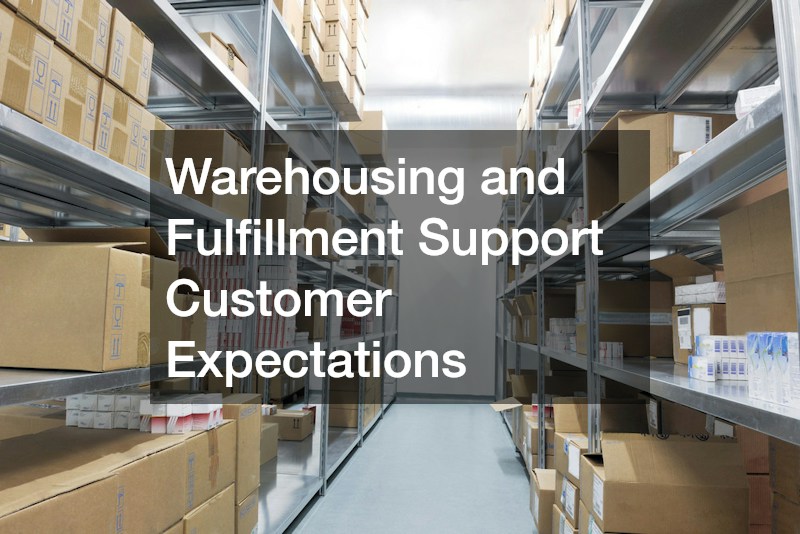
Warehousing and Fulfillment Support Customer Expectations
For businesses that sell and distribute products, order fulfillment is a central part of the customer experience. Customers may focus on product availability and delivery dates, but meeting those expectations requires coordinated work across inventory management, storage, picking, packing, shipping, and returns.
Warehouses must balance available space with the need to retrieve products quickly. Frequently ordered items may need to remain accessible, while fragile, oversized, or temperature-sensitive goods may require specialized storage arrangements. Effective layouts help employees move through these spaces while limiting unnecessary handling.
Accurate inventory records are equally important. If a system indicates that a product is available when the shelf is empty, an order may be delayed. If stock levels are recorded incorrectly, businesses may purchase more materials than necessary or miss opportunities to fulfill customer requests.
Reliable B2B fulfillment services can support organizations that distribute goods to other businesses by coordinating order processing, inventory handling, packaging, and shipping. Depending on the provider and arrangement, these services can help companies manage changing order volumes without building every fulfillment capability internally.
Technology also contributes to operational efficiency. Barcode scanning, warehouse management software, shipment tracking, and integrated inventory systems can improve visibility across the fulfillment process. These tools help teams monitor product movement, identify discrepancies, and communicate more accurately about order status.
However, technology works best when supported by clear procedures and trained employees. Workers need to understand how to record incoming shipments, document damaged goods, process returns, and communicate exceptions. Consistent practices reduce confusion when several people handle the same order.
Facility conditions matter as well. Adequate lighting, clear aisles, organized storage, and appropriate environmental controls can support safer and more efficient warehouse activity. Managers must consider how traffic patterns, shelving arrangements, and loading operations affect the movement of both people and products.
When these details are managed effectively, fulfillment becomes a dependable extension of the business rather than a recurring source of operational friction. Customers benefit from more consistent service, while internal teams gain better control over inventory and delivery commitments.
Specialized Services Help Maintain Quality and Reliability
Some commercial facilities depend on specialized equipment and controlled environments that require more than standard building maintenance. Manufacturing plants, research facilities, testing laboratories, and product development centers may need dedicated services to keep their operations aligned with technical requirements.
Equipment calibration, scheduled inspections, environmental monitoring, and performance testing can help businesses understand whether their systems are functioning within established parameters. These activities are especially important when equipment performance affects product quality, repeatability, or production schedules.
An environmental test chamber service may be relevant to organizations that use specialized chambers to evaluate how products respond to controlled temperature, humidity, or other environmental conditions. Depending on the equipment and service arrangement, maintenance and calibration help support dependable testing conditions and identify issues that could affect results.
Specialized equipment also requires appropriate documentation. Service records, calibration reports, inspection findings, and maintenance logs help organizations track equipment history and demonstrate that required procedures have been followed. Keeping these records organized can make it easier to plan future service and investigate inconsistencies in equipment performance.
Environmental conditions throughout a commercial property can influence everyday operations, too. Temperature fluctuations, excess moisture, dust, and inadequate ventilation may affect stored materials, electronic equipment, or sensitive products. Facility managers should consider the needs of the activities taking place in each area rather than applying the same environmental standards everywhere.
Coordination between maintenance teams and department managers is essential when specialized equipment must be serviced. Scheduling work around production cycles, testing appointments, or shipping deadlines can help minimize interruptions. Clear communication also allows employees to prepare equipment and workspaces before a technician arrives.
By giving specialized systems the attention they require, organizations can maintain more consistent working conditions and support the quality standards associated with their products and services.
Commercial Relocations Require Careful Coordination
Moving a business involves more than transporting desks, computers, and office supplies from one address to another. Commercial relocations can affect employee schedules, customer communications, inventory management, equipment availability, and access to essential records.
A successful move begins with a clear understanding of what must be relocated, what needs to remain accessible, and when each department can transition to the new space. Businesses should account for furniture, technology, specialized equipment, archived documents, and materials that require additional handling.
Working with local commercial moving services can help organizations coordinate packing, transportation, and placement of business assets. The scope of assistance varies by provider, so companies should clarify scheduling, handling requirements, insurance arrangements, and any specialized equipment needs before the move.
Communication is equally important. Employees need to know when their work areas will be packed, how equipment should be prepared, and where supplies will be located after arrival. Customers and vendors may also need updated contact information, delivery instructions, or revised access details.
IT infrastructure deserves particular attention during a relocation. Computers, network equipment, communication systems, and shared devices should be inventoried and prepared for transportation. Organizations may need to coordinate internet activation, network configuration, and equipment testing before employees resume their usual responsibilities.
Businesses operating warehouses or production facilities must also plan around inventory and equipment movement. Products need to remain accounted for throughout the transition, and essential machinery may require qualified personnel to disconnect, transport, and reinstall it.
A phased relocation can help reduce disruption when a complete shutdown is impractical. For example, a company might move administrative departments first while maintaining selected operational functions at the original site. The right approach depends on the organization’s size, staffing, equipment, and service commitments.
After the move, teams should verify that workstations, storage areas, utilities, communication systems, and access controls are functioning as expected. A structured review helps identify outstanding tasks before they affect normal operations.
Planning Connects Every Part of Facility Management
The services that support commercial properties are most effective when they operate as part of a coordinated plan. Building maintenance, construction, transportation, fulfillment, and specialized equipment care may involve different vendors, but their schedules and responsibilities frequently overlap.
For example, a warehouse expansion can affect delivery routes, loading capacity, inventory storage, and employee access. A planned equipment replacement may require electrical work, transportation arrangements, and temporary adjustments to production schedules. A commercial relocation may depend on communication systems being ready before employees arrive.
Facility managers can improve coordination by maintaining a shared calendar of inspections, repairs, projects, and vendor appointments. Clear points of contact help employees know whom to notify when an issue arises, while written procedures make responsibilities easier to understand.
Budgeting is another important part of the process. Maintenance expenses, equipment replacements, service agreements, and future improvements should be considered alongside the property’s operational priorities. Keeping records of recurring expenses and equipment performance can help decision-makers identify where planned investments may offer the greatest value.
Businesses should also review service-provider arrangements periodically. Confirming the scope of work, response expectations, scheduling procedures, and documentation requirements can help prevent misunderstandings. When several contractors work on the same property, coordination is especially important to avoid conflicting schedules or incomplete handoffs.
Employee feedback can reveal operational concerns that formal inspections may not identify immediately. Staff members who use a workspace every day may notice unusual equipment sounds, inconsistent temperatures, difficult access points, or recurring delays. Providing a straightforward way to report these observations helps maintenance teams respond with better information.
Ultimately, effective facility management requires a combination of planning, communication, documentation, and practical problem-solving. Each individual task may appear small, but together these efforts help create a more reliable environment for employees, customers, and business partners.
The work behind a functioning commercial property extends far beyond what people see during a typical business day. Maintenance teams, construction professionals, transportation providers, fulfillment specialists, and equipment technicians all contribute to the systems and processes that keep organizations moving.
When businesses recognize the importance of these behind-the-scenes responsibilities, they can make more informed decisions about maintenance schedules, service providers, operational planning, and long-term property improvements. Consistent attention to these details supports dependable facilities, organized workflows, and better coordination across departments.
Although much of this work happens without recognition, its value becomes clear in the daily performance of a business. Reliable infrastructure, well-managed logistics, and thoughtfully maintained spaces give organizations the foundation they need to serve customers, support employees, and pursue future growth.