Industrial Scale Repairs, and How they are Completed
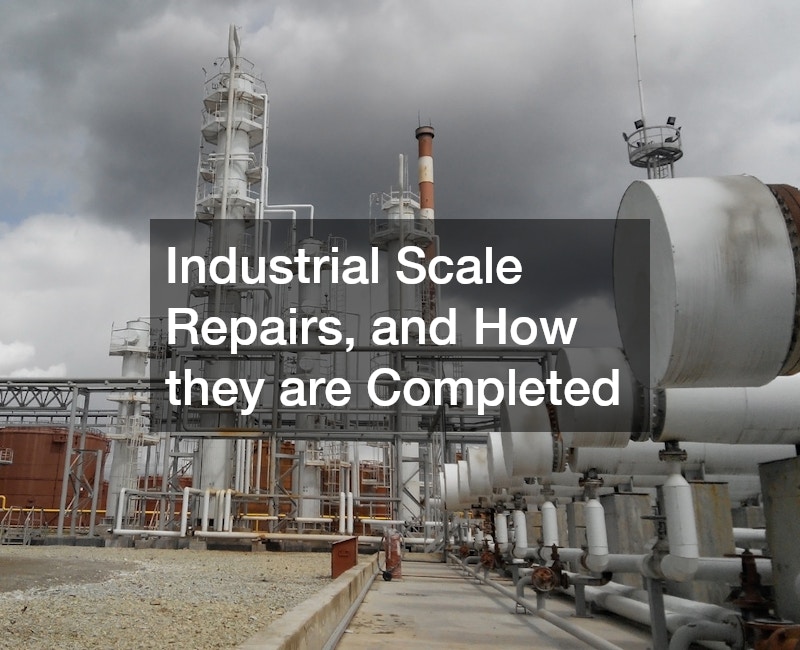
In the modern world, industries are paramount in driving economic growth and technological advancements. With great machinery and infrastructure comes the critical need for maintaining these assets to ensure their longevity and optimal performance. This necessitates comprehensive and systematic approaches to industrial scale repairs; a domain that encompasses the upkeep of expansive structures and complex machinery.
Understanding Industrial Scale Repairs
Industrial scale repairs refer to the extensive processes involved in maintaining and restoring large-scale industrial equipment and infrastructure. Such repairs are vital in industries like manufacturing, mining, and petrochemicals where continuous operations are crucial.
This form of maintenance not only extends the lifespan of machinery but also enhances safety standards, ensuring compliance with regulatory requirements.
One key aspect of industrial scale repairs is the detailed assessment of equipment health. Regular inspections are conducted using advanced diagnostic tools to identify signs of wear and potential areas of failure. By evaluating components such as motors, gears, and pumps, industries can prevent catastrophic breakdowns and avoid costly downtimes.
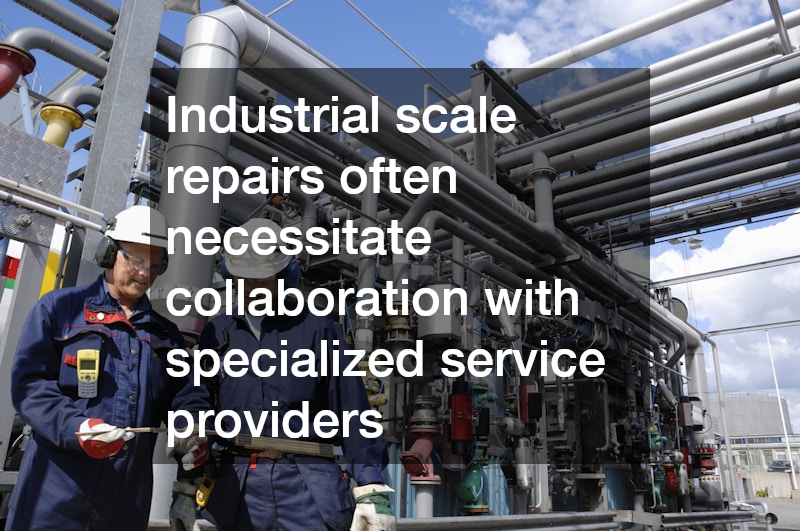
Additionally, industrial scale repairs often necessitate collaboration with specialized service providers. These professionals bring expertise in specific technologies and methodologies, enabling effective resolution of complex issues. Their knowledge encompasses various repair techniques, from welding in high-temperature environments to retrofitting older equipment with modern systems. Collaboration ensures that repairs are carried out efficiently and in line with industry best practices.
Techniques and Technologies in Modern Repairs
The evolution of technology has significantly influenced how industrial scale repairs are completed today. One transformative technological advancement is the use of predictive maintenance solutions, which can forecast equipment failures before they occur. These systems utilize real-time data collection and analysis to predict potential breakdowns, allowing for proactive maintenance rather than reactive responses.
Drones have also become integral in assessing hard-to-reach areas such as rooftops, smoke stacks, and other infrastructural heights. These unmanned aerial vehicles provide detailed imagery and thermal readings, facilitating inspections without risking human safety. As industries continue to innovate, combining drone technology with machine learning analytics holds promise for even more precise repair processes.
Moreover, the deployment of robotics for repair tasks is gaining traction. Robots equipped with artificial intelligence and machine vision are increasingly employed for tasks that involve hazardous environments or require high precision. These machines can execute repairs with incredible accuracy, ensuring consistency and minimizing human error. In essence, technological innovations are driving the future of industrial scale repairs, making them more efficient and sustainable.
Challenges in Industrial Repairs
Despite advancements, challenges remain in the realm of industrial scale repairs. One major hurdle is the inherent complexity of industrial machinery. These machines are often engineered with numerous components that can wear out or fail. Diagnosing the exact point of failure requires a great deal of expertise and technical know-how.
Another challenge is the downtime associated with repairs. Industrial operations, especially those requiring continuous processes, cannot afford prolonged shutdowns. Every moment a machine is idle translates to potential revenue loss, necessitating innovative and quick repair solutions.
Furthermore, the industrial environment often presents itself as a physically demanding workplace. Safety concerns arise due to exposure to harmful substances, high temperatures, and heavy equipment. Repair teams must navigate these environments with the utmost care, adhering to stringent safety protocols to protect personnel and equipment alike.
The Importance of Skilled Workforce
The human element plays a significant role in the completion of industrial scale repairs. Trained technicians equipped with a wealth of knowledge and hands-on experience are indispensable. These individuals are responsible for implementing the repair strategies that keep industries running smoothly.
Education and continuous training are critical for technicians to keep pace with technological advancements and new repair techniques. Programs and certifications provide in-depth knowledge, refining their skills and preparing them for the challenges they may face in the field.
Ultimately, the effectiveness of industrial scale repairs hinges on the competency and dedication of the workforce. A skilled workforce ensures that repairs are executed with precision and within the stipulated timeframes, reducing downtimes and maximizing operational efficiency. In short, while technology has enhanced the tools available for repairs, the human touch remains an irreplaceable element of industrial scale maintenance.
The Future of Industrial Scale Repairs
As industries continue to evolve, the future of industrial scale repairs is poised for significant transformation. The integration of emerging technologies like the Internet of Things (IoT) is set to revolutionize maintenance practices further. IoT devices can monitor equipment health in real-time, communicating essential data that helps in strategic decision-making regarding repairs.
Additionally, the trend of sustainability is increasingly influencing repair practices. There is a growing focus on eco-friendly repair techniques that minimize waste and reduce the environmental footprint of industrial operations. As green technology advances, repair practices will become more aligned with environmental conservation goals.
With a blend of technology, skilled personnel, and sustainable practices, the future of industrial scale repairs will be one of increased efficiency and innovation. As industries strive to maintain productivity and safety, the importance of well-executed repairs will remain a cornerstone of industrial success and growth. This interplay of factors will continue to be pivotal as repairs contribute to the resilience and adaptability of industrial operations in an ever-changing world.